
Flexible Circuit Board Manufacturers Operate
Flexible circuit board manufacturers face challenges when designing a new electronic design. These circuits must meet unique requirements and endure a range of environmental factors, including mechanical stress. Prototyping allows designers to test and refine their designs before moving to production, ensuring that the finished product meets specifications. The quick turn PCB prototype process is an important element of this process, providing a vital tool for identifying and mitigating potential issues.
The flex circuit board manufacturers process begins with the selection of a base material. Common choices include polyimide and polyester films, which offer flexibility, thermal resistance, and electrical insulation properties. A thin layer of copper is then deposited on the film using deposition techniques, such as electroplating or sputtering. This layer serves as the conductive layer that connects different layers of the circuit. Various assembly steps may then follow, including soldering, etching, and finishing.
These processes generate air emissions, including fumes from corrosive acids like hydrochloric, sulfuric, nitric, and phosphoric; organic solvent vapors, such as acetone, isopropanol, and trichloroethylene; petroleum distillates, and aldehydes. These substances can damage the environment and human health, resulting in respiratory and dermatological problems. They also can contaminate the water supply and pollute soil and groundwater.
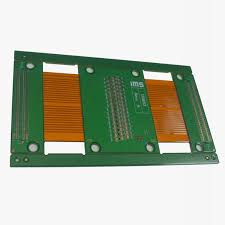
Environmental Factors That Impact Flexible Circuit Board Manufacturers Operate
Once the circuit boards have been assembled, they must undergo testing to ensure that they meet all mechanical and electrical specifications. During this process, PCBs are subjected to stresses that simulate real-world use. This testing is essential to identify and correct any potential issues that could negatively impact the final product, reducing waste and saving money on production costs.
Testing is a time-consuming and costly process, and it is difficult to accurately predict the results of each run. To minimize the environmental impacts of this process, manufacturers must utilize environmentally friendly chemicals, such as low-VOC etching solutions and cleaning agents. In addition, they must make sure that the waste produced during testing is disposed of properly.
In addition to the energy and water consumed in manufacturing, a number of other materials are used in PCB production, such as rosin and formaldehyde. These substances can be toxic to humans and the environment, but a variety of methods have been developed to reduce their environmental impact. PCBs are also made from a wide variety of metals, which can have significant ecological effects when released into the environment.
A comprehensive cradle-to-grave lifecycle assessment (LCA) can help to identify the potential environmental impact of the flex PCB manufacturing process. LCA studies typically incorporate a variety of environmental impact categories, such as abiotic depletion potential (ADP), acidification potential (AP), eutrophication potential (EP), global warming potential (GWP), freshwater aquatic ecotoxicity potential (FAETP), terrestrial ecotoxicity potential (TEPTP), and photochemical ozone creation potential (POCP).
The results of the study are then used to develop mitigation strategies. For example, the PCB industry has made a great effort to reduce the quantity of lead it uses in its production processes. This has resulted in a lower environmental impact, but it is still important for the industry to continue to improve its sustainability and recycling processes.

