
flex PCB manufacturers ensure consistency in production
A reliable and high-performance flex PCB is essential for the success of any electronic design. The specialized manufacturing and assembly processes involved in producing a flex circuit board require careful attention to ensure consistent quality. A thorough QA/QC process helps to identify and mitigate potential issues before they cause production delays or product failure.
The key to a successful flex pcb manufacturer project begins with a robust and detailed design that meets the specifications of the end-product. This process ensures that the final product complies with industry standards and can reliably perform its intended function over its lifespan. It also allows the designer to make improvements and efficiencies in the layout, while ensuring the integrity of all layers.
Unlike rigid boards, flex circuits can conform to complex shapes and tight spaces, making them ideal for use in portable devices like smartphones, tablets and wearable computers. This dynamic capability opens up innovative new design possibilities, enabling them to incorporate interconnects into the product contours and enclosures, eliminating external cables and connectors.
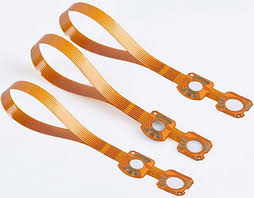
How do flex PCB manufacturers ensure consistency in production?
However, implementing these advanced layouts into existing production methods can present challenges. In order to prevent flex circuit boards from failing due to stress or dimensional changes in the materials used, engineers must carefully select components and implement design guidelines that allow them to withstand repeated bending cycles.
One of the most important factors to consider when selecting a flex pcb manufacturer is their capabilities. This includes assessing their capacity to deliver the complex flex designs required by your project, such as fine line patterning and flex-rigid integration. They should also have the equipment and expertise to handle the assembly of your flex circuits, such as laser direct imaging (LDI), plasma etching systems and automatic optical inspection (AOI).
Another consideration is a flex manufacturer’s quality assurance processes. They should have robust quality certifications such as ISO 9001, and procedures in place to inspect first-article samples, conduct in-process checks, and test all final products. This will help to ensure consistency in the quality of the flex circuits produced, and reduce any potential for error or defects in the finished products.
The flex circuit manufacturing process itself involves copper being deposited on the flexible substrate, such as polyimide or Rogers 4003 material. The plated copper is then patterned and etched into the desired layout, using a stencil and photoresist to expose the circuit board artwork patterns. This etching step is critical, as it allows for accurate and precise copper removal to create the circuit pattern and vias needed for high-density flex circuits.
Some flex pcb manufacturers may add stiffeners to selected areas in the conductive layer of the circuit board to improve its mechanical stability and avoid buckling or wrinkling during bending. They can also add an adhesive to selected areas for mounting purposes or EMI shielding film to protect against electromagnetic interference. These options can increase the cost of a flex circuit board. PCBWay also offers the option to add adhesive tape to selected areas on a flex circuit board in order to mount it to a surface or stick it to something, which will again increase the cost of the product.

