
GRC Contribute to Operational Efficiency
GRC is the integrated approach to governance, risk management and compliance. It promotes unified efforts across departments instead of siloed processes, reducing redundancy and optimizing workflows. It can also minimize risks by identifying issues before they escalate.
In addition, grc governance risk compliance enables businesses to gather information quickly and accurately, and improves collaboration across teams. It lays the foundation for transparency and accountability, which can be key in building trust with stakeholders. In a highly-regulated industry like finance or energy, the benefits of a well-implemented GRC framework can be even more significant.
However, implementing GRC isn’t easy for any organization. It’s often a significant investment and requires a change in mindset. It’s critical to ensure the right people are on board to manage and support the project, including a dedicated executive sponsor and senior leadership buy-in. It’s also necessary to build a cross-functional team with representatives from key departments.
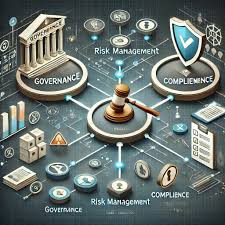
How Does GRC Contribute to Operational Efficiency?
A common issue is that different teams have their own priorities and ways of doing things, leading to a lack of consistency. Another challenge is that it takes time to set up a framework, gather data and create documentation. Moreover, organizations may struggle to understand what the impact of their actions will be, resulting in unclear business objectives.
GRC can address these challenges by aligning the different aspects of a company’s operation with industry regulations, standards and ethical values. It can also help identify interconnected issues, reduce the impact on operations and streamline procedures. A grc governance risk compliance framework also helps prioritize and balance the different needs of a business, ensuring that growth doesn’t come at the cost of regulatory compliance or ethical standards.
Using a centralized, automated system for managing the various activities of an organization, especially those related to governance, risk and compliance, can lead to improved operational efficiency and reduce the time it takes to complete certain tasks. This can also eliminate manual efforts and ensure that all processes are consistent, avoiding errors or discrepancies.
The key is choosing a GRC solution that can be customized to fit your specific business needs. It’s important not to choose a tool that heavily customizes your current processes, as this can have a negative effect on future adoption and create unforeseen cybersecurity vulnerabilities. It’s also a good idea to choose a solution that includes pre-configured standard functionality, as this can save you time and money.
Whether you’re a start-up or an established enterprise, GRC can contribute to operational efficiency and help you make informed decisions to achieve your objectives. By enabling you to automate routine tasks, streamline workflows and eliminate duplication of effort, it can free up your team’s time to focus on strategic projects. This can also help you minimize risks, which can result in a higher ROI. In the end, it’s a win-win for all parties. For more information about GRC and how it can benefit your organization, contact us today. We’re happy to discuss your needs and help you achieve the success you deserve!