
Flexible Printed Circuit Board Fabrication
Tombstoning is a PCB manufacturing issue that causes surface mount passive components to lift from their pads at one end, much like those tall slanted slabs of granite that you might find in a graveyard. The result is an open circuit that renders the component useless. This problem is caused by a combination of factors that can be prevented through best practices in the PCB design, manufacturing, and assembly process.
The most common cause of tombstoning is uneven heating during the wave soldering process. This can occur when one side of a pad heats up faster than the other, which leads to solder melt and pull on the end of the component that is on the cooler side. This can also be caused by uneven paste application, where the solder on one side of the component is less consolidated and therefore more prone to lifting off the pad.
Other causes of tombstoning include the use of excessive copper, which can lead to high torque and thermal stress on the component. This can be mitigated by selecting thinner copper traces and using wider end caps on all edges of the board. In addition, it is important to choose the right contract manufacturer for your flexible printed circuit board fabrication needs who is equipped with industry best practices. This includes creating the right CAD footprint models and making proper routing recommendations to minimize the chances of tombstoning.
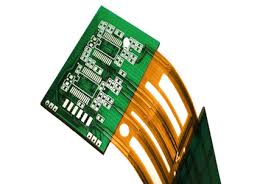
How Is Component Tombstoning Prevented During Flexible Printed Circuit Board Fabrication?
Thick components are more prone to tombstoning than thinner ones, because they have a larger terminal surface area for pulling if the pad on one end of the device heats up more quickly than the other. In addition, the z-axis profile of a component can influence its tendency to tombstone, with taller packages having a greater inclination toward tombstoning than shorter ones. Lastly, oxidation on the pad or component terminal can impede wetting, which also increases the chance of tombstoning.
If a tombstoned component is discovered in a high-volume production run, the manufacturer will have to spend time and money reworking the affected boards. Depending on the volume of production, this can be done manually or by using selective soldering, which is an automated process that targets specific components for rework.
Although tombstoning is primarily a problem for surface-mount components, it can also occur with through-hole components if the hole size and alignment is off. The good news is that through-hole components can be corrected more easily than surface-mount components, by reshaping the hole and inserting a new component in its place. This can be done manually or by using automated equipment, depending on the volume of production and the available resources. Using a quality EMS partner with the right equipment can reduce the amount of time spent reworking the production line and ensure high-quality products.

