As consolidation continues in India’s cement industry, regional, mid-, and small-sized players are under pressure to protect their market share while dealing with financial stress and increasing competition. Some are expanding aggressively, while others struggle to stay afloat.
Mergers and acquisitions have surged since the ownership change of India’s second-largest cement player in FY23. Over 130 million tonnes of capacity changed hands between FY23 and FY25, exceeding the 110 million tonnes transacted in the previous decade. In FY25 alone, M&A announcements accounted for 40 million tonnes of cement capacity. Industry experts expect further consolidation as large players push ambitious expansion plans.
Despite the challenges, some regional players continue to invest in capacity growth. Manish Valecha, Deputy Head of Research at Anand Rathi Institutional Equities, said regional, medium, and small players remain crucial to the industry because of their deep market knowledge and adaptability. Many are expanding aggressively by acquiring smaller competitors, diversifying into new markets, or securing key raw material reserves.
Ramco Cement, for instance, is set to double its cement capacity from 15 million tonnes per annum in June 2024 to 30 million tonnes by March 2026. Its clinker capacity will also rise from 16 million tonnes to over 19 million tonnes, while the share of green power is expected to reach 48 per cent. Other regional expansions include Sagar Cement’s acquisition of Andhra Cement, Birla Corp’s entry into western India through the Mukutban unit expansion, and Star Cement’s capacity growth in the Northeast.
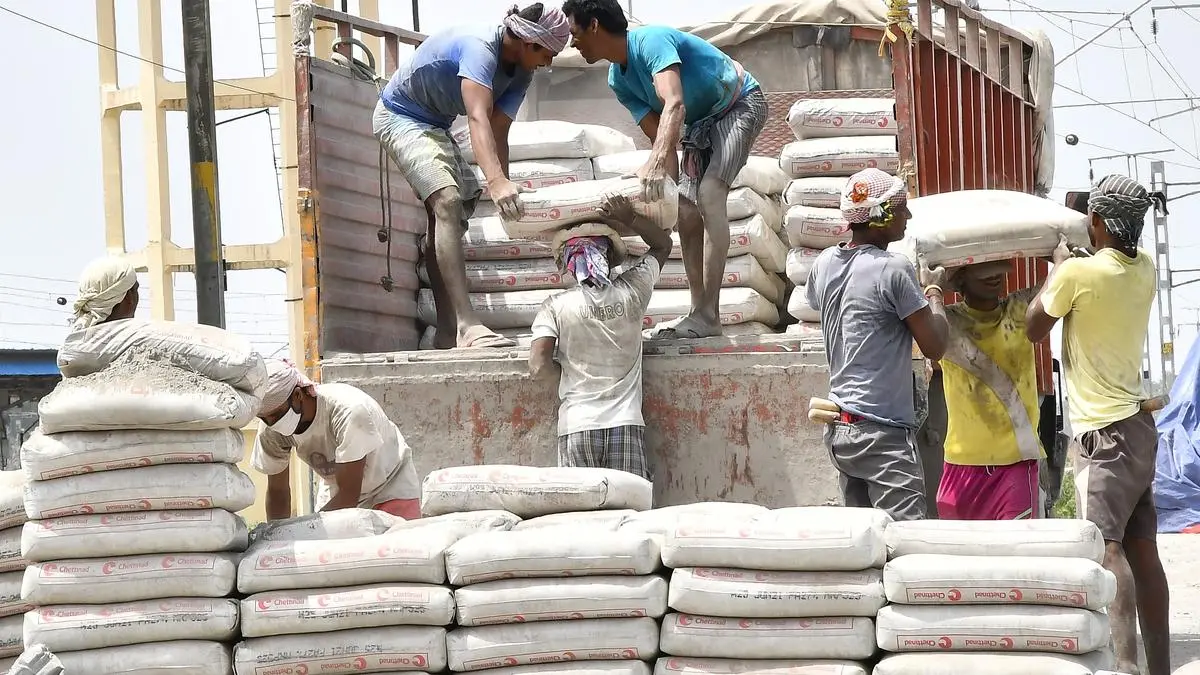
Recently CARE Ratings reaffirmed its ratings for the bank loan facilities of Chettinad Cement Corporation Pvt Ltd (CCCPL), citing its strong competitive position in South India’s grey cement market. With an installed grinding capacity of 20.1 million tonnes per annum (MTPA), including 17.2 MTPA clinker-backed capacity, CCCPL benefits from captive limestone mines and power generation, ensuring cost efficiency. Its expanding presence in Maharashtra, backed by a Solapur grinding unit, and a strong distribution network bolster brand recall. The company’s robust capital structure, healthy debt coverage, and strong liquidity further support the rating, it said.
Sreekanth Reddy, Joint Managing Director of Sagar Cements Ltd, said the company’s expanded capacity will allow it to tap into rising infrastructure and real estate demand. He added that diversifying revenue streams and expanding the company’s regional presence should help improve overall profitability.
However, many tier-2 cement companies, particularly in South India, are facing mounting difficulties. Khushbu Lakhotia, Director at India Ratings & Research, noted that the ramp-up of newly acquired assets in the region, combined with an already oversupplied market, is increasing pricing pressure.
She warned that the industry will likely see pockets of financial stress among tier-2 players in the near term. Around 15 percent of listed cement firms had an interest coverage ratio below 2x in 9MFY25, a level comparable to FY23, when soaring fuel costs following the Russia-Ukraine crisis severely impacted profitability. Unlike in FY24, when a sharp decline in fuel prices led to a quick recovery, weak pricing power is expected to prolong profitability struggles this time.
Most regional players, except those in the North-East, lack the financial flexibility to take on multiple expansion projects, she said. Their primary focus remains on completing ongoing projects, improving capacity utilization, and implementing cost-cutting measures to offset weak realizations and intense competition. Some are widening their geographical footprint, while others, particularly those targeting the individual home builder market, are increasing the share of premium cement in their product mix to improve margins.
South India remains a key market for acquisitions due to its highly fragmented structure. The region has over 34 players, none of whom used to hold more than 15 per cent market share. Low capacity utilization has made it a prime target for acquisitions, with recent deals including UltraTech’s takeover of India Cements, Adani’s acquisition of Penna Cement, and Kesoram’s buyout.
Lakhotia pointed out that the southern market continues to offer significant opportunities for inorganic expansion due to fragmentation and the weak financial health of several small and mid-sized players. Valecha added that oversupply, pricing pressure, and fierce competition for market share are driving these acquisitions. Company-specific issues, such as the India Cements succession challenge, have also contributed to the trend.
As large players consolidate their dominance, regional cement companies must scale up, cut costs, and adapt to survive in an increasingly competitive and consolidated market.