
Quick Turn Printed Circuit Boards Play in Reducing Time-To-Market
PCBs are vital in the production of electronic products and can be used to help speed up the product development cycle. They are essential in sectors like consumer electronics, automotive, aerospace, and medical devices. The PCB manufacturing process involves various stages from design to assembly, and each stage can impact the overall time-to-market of a product. One of the most critical stages is PCB prototyping. Prototype circuit boards can help reduce time-to-market by enabling manufacturers to test the functionality of their products before they are ready for production. These prototypes can also help eliminate the need for a series of lengthy explanations and revisions.
A fast turnaround is crucial for the success of electronic products in a competitive market. quick turn printed circuit boards allow manufacturers to meet tight deadlines without compromising on quality. They can be produced in a fraction of the time it takes to produce standard PCBs. This allows companies to reduce their time-to-market and increase sales and revenue.
When choosing a quick turn fabrication house, it is important to consider the company’s reputation and experience in the industry. They should have a strong track record of meeting deadlines and complying with industry standards, such as IPC. They should also offer advanced manufacturing capabilities, such as multi-layer and rigid-flex PCBs. Additionally, they should have a robust quality control system to ensure that the products they manufacture meet high-quality standards.
Another important factor is the location of the fabrication shop. Ideally, it should be located close to the company’s headquarters so that communication is easy and efficient. This will reduce the time needed to deliver components and ensure that the finished product meets client expectations.
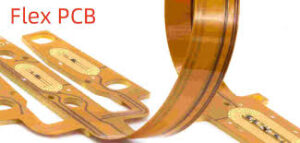
The Role Do Quick Turn Printed Circuit Boards Play in Reducing Time-To-Market?
Once the design has been finalized, the fabrication house will conduct a Design for Manufacturability (DFM) review to confirm that it is manufacturable in their facility. This will include evaluating the material specifications and technical specifications, as well as examining the layout and design of the board. They will also check to see if any changes need to be made to the design to make it more compatible with the fabrication processes they use.
The next step is to order the necessary components for the circuit board. It is important to ensure that these components are readily available, as any delays will result in a delay in the project timeline. Choosing suppliers who have an excellent supply chain will help to minimize any potential issues. Additionally, ensuring that the correct components are ordered will prevent costly delays in the assembly process.
After the components have been ordered, the PCB assembly can begin. This step can be a time-consuming process, but it is crucial to ensure that the assembled circuit board functions properly. To ensure that this is the case, a rigorous testing process must be employed. This will involve a number of tests, including visual inspection, electrical testing, and thermal imaging.
A quality PCB manufacturing process is a must for any business looking to improve their time-to-market. By reducing the amount of time required to produce a prototype, manufacturers can save money and valuable resources while still producing high-quality products. By selecting a reputable PCB manufacturer with a proven track record of meeting deadlines and maintaining industry-standard quality standards, businesses can enjoy a significant time-to-market advantage.

