
PCB Assembly and Manufacturing
There are many different types of pcb assembly and manufacturing processes. They can be both automated and manual, depending on the type of circuit board and its intended purpose. These processes are important for ensuring that electronic devices function as they should, but they can be time-consuming and complicated. This is especially true for complex or high-quality boards, or when multiple steps must be done by hand.
For these reasons, outsourcing the assembly of your PCB is often a good idea. There are a number of different kinds of turnkey PCB assembly services, but the most common are partial and full turnkey services. Partial turnkey services offer a lower cost than full turnkey services, and they allow you to retain control over the process of creating your product by only outsourcing certain parts of the project.
Once a PCB has been successfully assembled, it must undergo a series of stress tests to ensure that it will continue to function reliably when deployed in the field. This can include exposing it to high temperatures and voltages, mechanical stress like vibrations or drops, and environmental factors such as humidity or electromagnetic interference.
The first step in PCB assembly is preparing the component materials. This involves sourcing and obtaining all necessary components, ensuring that they are compatible with the design of your PCB and that they meet the requirements of your industry. This step also includes generating the required design files for fabrication and assembly. These typically include Gerber/ODB++, Bill of Material, and Centroid (X and Y placement) files.
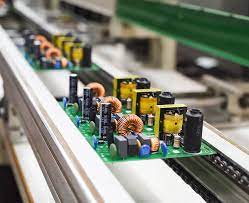
Types of PCB Assembly and Manufacturing
Once the materials have been sourced, the next step in the PCB assembly process is applying solder paste. This is a gray-colored goo made from a mixture of tin, lead, and silver alloys. It is used to attach electrical components to the bare board, and it must be applied in a precise manner. After application, the reflow soldering process melts the paste, forming reliable electrical connections.
After the reflow soldering process, the final steps in the PCB assembly process are inspecting and testing the product. This process includes a visual inspection and comparing the fabricated product against its design transportation frame. This is a critical step that allows manufacturers to identify and correct any errors or issues with the manufacturing process.
Once the final steps in the PCB assembly process have been completed, your finished product is ready to be shipped out for use by customers. However, before this can happen, you must have a quality assurance team in place that can verify the work of your assembly house and ensure that your products are operating correctly.
This can be a time-consuming task, but it is essential for protecting the reputation of your business and ensuring customer satisfaction. In addition, a quality assurance team can help you keep your costs down by helping to reduce waste. This will help you stay competitive in the market and ensure that your products are of the highest possible quality. Moreover, it will save you from the headache of dealing with miscommunication and other issues that can taint the final results of your product.

