
software is used to design a flexible circuit board
Designing flexible circuit boards requires specialized software tools that cater to the unique requirements of flexible electronics. These tools enable engineers and designers to create intricate layouts, perform simulations, and ensure manufacturability, all while considering the mechanical properties of the flexible materials used. The selection of software for designing flexible circuit boards is critical, as it impacts the overall efficiency, functionality, and reliability of the final product. Various software packages are available, each offering distinct features and capabilities to meet the needs of flexible circuit board design.
One of the most widely used software solutions for designing flexible circuit board is Altium Designer. This comprehensive tool provides a robust environment for electronic design automation (EDA), combining schematic capture, PCB layout, and 3D visualization. Altium Designer’s advanced features enable designers to create multi-layer flexible circuits, ensuring precise routing and placement of components while accommodating the unique characteristics of flexible substrates. Additionally, its integrated simulation capabilities allow engineers to analyze electrical performance before manufacturing, minimizing the risk of errors and ensuring optimal performance.
Another popular option is Autodesk Eagle, known for its user-friendly interface and powerful functionality. Eagle is especially favored by small to medium-sized businesses and hobbyists for designing flexible circuits. The software allows for easy schematic capture and PCB layout, with features that facilitate the design of flexible circuit boards. Its extensive library of components and integrated autorouter help streamline the design process, making it easier to create efficient layouts while ensuring compliance with manufacturing requirements. Additionally, Eagle’s cloud collaboration features enable teams to work together seamlessly, sharing designs and feedback in real time.
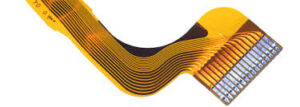
What software is used to design a flexible circuit board?
KiCAD is an open-source software package that has gained popularity in the flexible circuit board design community. This software is particularly appealing to those seeking a cost-effective solution without sacrificing functionality. KiCAD provides powerful schematic and PCB design capabilities, along with 3D visualization tools to ensure that components fit properly within the flexible circuit layout. Its flexibility allows users to design complex multi-layer circuits, making it suitable for a wide range of applications, from simple consumer electronics to more sophisticated devices. The open-source nature of KiCAD also encourages community contributions, leading to continuous improvements and the addition of new features.
Another noteworthy software for flexible circuit board design is Mentor Graphics’ Xpedition. This high-end tool is tailored for professionals working on advanced electronic designs, including flexible and rigid-flex circuits. Xpedition offers an integrated environment that combines schematic capture, PCB layout, and design verification, providing a comprehensive solution for complex designs. Its advanced simulation and analysis features help engineers identify potential issues early in the design process, ensuring that the final product meets performance and reliability standards. Xpedition’s capabilities in handling high-density interconnects and multi-layer designs make it a preferred choice for industries requiring precise and intricate flexible circuit designs.
For specific applications such as RF and microwave circuits, specialized software like Ansys HFSS and ADS (Advanced Design System) may be utilized. These tools focus on electromagnetic simulation and circuit analysis, allowing designers to optimize the performance of flexible circuit boards in high-frequency applications. By providing detailed insights into signal integrity, crosstalk, and impedance matching, these tools enable engineers to create highly efficient flexible circuits that meet the stringent requirements of modern wireless communication systems.
In addition to these dedicated software tools, many designers also leverage general-purpose CAD software like SolidWorks or AutoCAD to create mechanical drawings and enclosures for flexible circuit boards. These tools help ensure that the overall design integrates seamlessly with the flexible circuit, taking into account factors like material properties, mounting requirements, and thermal management.

